

2026 IIRRM Congress
Join us October 7-10 2026 in Orlando, Florida. Hosted in English & Spanish, attend online or in person.
Save with early bird rates until June 30 2026.
What is RRM?
Restorative reproductive medicine (RRM) corrects underlying causes and contributors to infertility and reproductive dysfunction.
"What's wrong?"
RRM focuses on this question, then restores or optimizes natural function without suppressing or bypassing the problem.
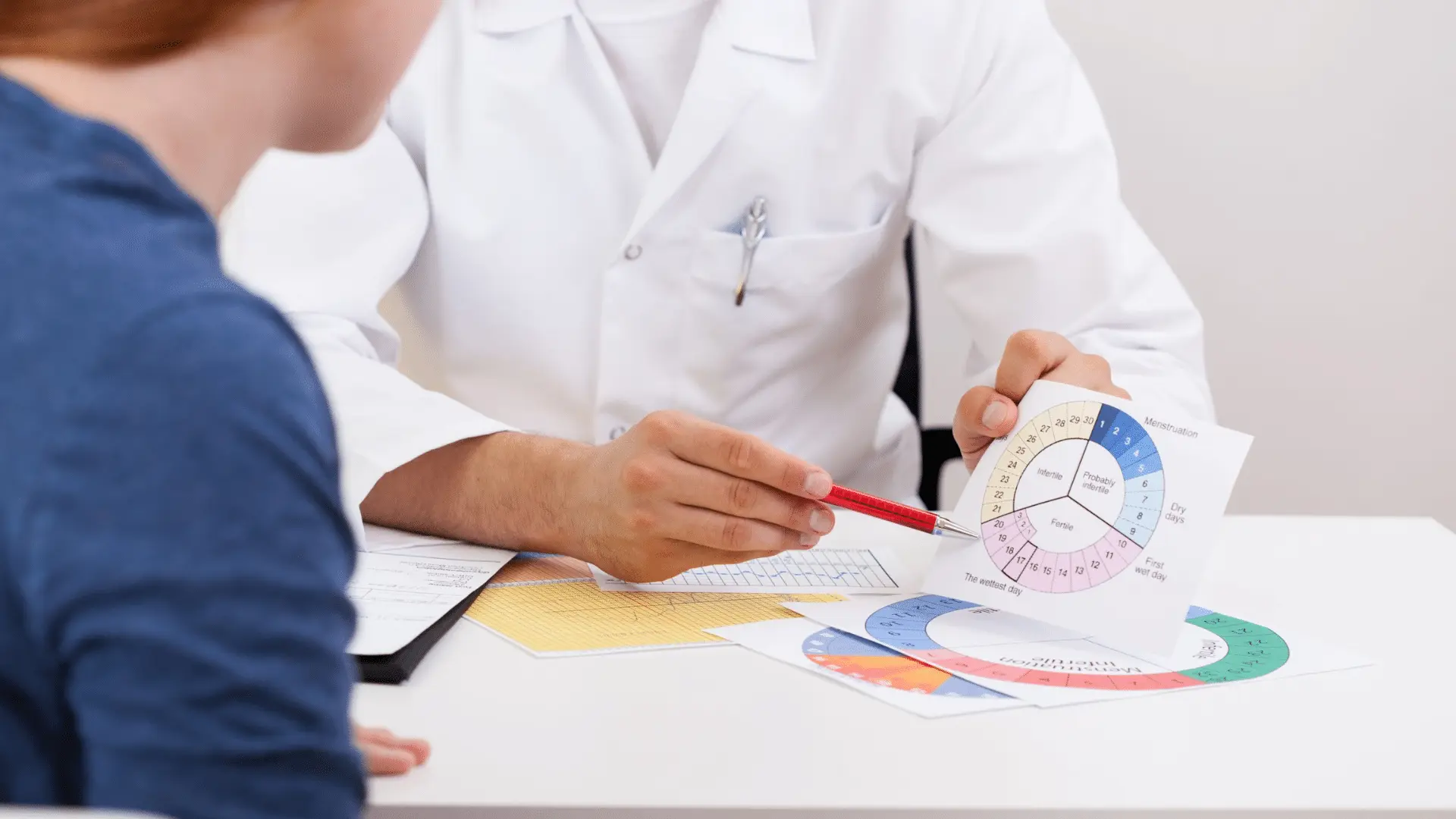
Cycle or Fertility Charting
Fertility or cycle charts are an important tool to carefully time tests and medications in women; changes in the chart empower her to know her body and the effects of treatments.
RRM is not one charting method
All believe in empowering the patient with scientifically sound and well researched knowledge about their fertility.
Education
The International Institute for Restorative Reproductive Medicine offers unparalleled opportunities for continuing education and professional development.
Together.
Transforming Reproductive Medicine.
Together. Transforming Reproductive Medicine.
The International Institute for Restorative Reproductive Medicine is the leading voice in uniting providers and researchers who share a common belief that patients deserve scientifically-based and well researched reproductive health care services that cooperate with and restore reproductive function. To address reproductive health problems, restorative reproductive medicine (RRM) exclusively focuses investigations and treatments on identifying and correcting abnormalities, restoring or optimizing normal reproductive function.
Membership
Becoming a member of the International Institute for RRM allows you to join a growing network of professionals and supporters who are helping transform reproductive medicine. As a member, you take an active role in shaping a future in which restorative reproductive medicine, backed by quality research and years of experience, becomes the standard of care in reproductive health services.
Join us
Research
One of the cornerstones of our organization, IIRRM sponsors and endorses research that focuses on a restorative approach to reproductive health. Our goal is simple…..every patient, every clinician, every teacher should have access to well studied, scientifically sound clinical knowledge of restorative reproductive medicine, including research.
Learn more
Online Education
Explore live and recorded webinars, research training, and resources and an interactive forum with case discussions. Listen and learn without the formality of an online learning system including regular Research Updates, monthly Journal Clubs and Grand Rounds.
READ MORE
Upcoming IIRRM Webinars & Events
Join free live continuing medical education in restorative reproductive medicine - a benefit of IIRRM membership. Not a member? Join us.
28
June
2026
Duke University Divinity School,
Duke University Divinity School, 407 Chapel Dr
Durham, NC 27708 United States
+ Google MapDurham, NC 27708 United States
Latest News
Polyendocrine Metabolic Ovarian Syndrome (PMOS): PCOS Has Been Renamed
15 May 2026
May 12, 2026 – Polycystic ovary syndrome (PCOS), a condition affecting approximately 1 in 8 women and more than 170 million people worldwide,1 has been renamed Polyendocrine Metabolic Ovarian Syndrome (PMOS) following a landmark global consensus process published in The Lancet.2 The new name was chosen to more accurately reflect the condition’s complex endocrine, metabolic, and ovarian features, while removing the misleading implication that the condition is primarily defined by ovarian “cysts.” The name change follows years of international work and a global consensus process involving patients, clinicians, researchers, and professional organizations across world regions. For many patients, the older […]
Learn More
Restorative Reproductive Medicine Summer Seminar at Duke University
6 May 2026
Duke University will host a summer seminar on restorative reproductive medicine (RRM), bioethics, and reproductive healthcare from June 28–July 1, 2026. The program will explore ethical and medical approaches to reproductive care, including restorative reproductive medicine and assisted reproductive technologies, through discussions with clinical, epidemiologic, and policy experts. The seminar is open to medical students, residents, healthcare professionals, and individuals engaged in bioethics or healthcare policy.
Learn More
Call for Abstracts: Present your Research at our 2026 IIRRM Congress
1 May 2026
IIRRM invites clinicians, researchers, and trainees to submit abstracts for presentation at the 2026 International Clinical & Scientific Congress in Orlando Florida (with Hybrid options).
Share your research in oral & poster sessions with an engaged global audience of clinicians, researchers, and educators. We welcome abstracts in any area of RRM — including work in progress or unpublished studies. Case reports and series encouraged!
Learn More
Defining the Future of RRM: Advanced Postgraduate Training
15 April 2026
A new postgraduate training program in restorative reproductive medicine is launching. Explore courses, career pathways, and opportunities to register your interest, contribute feedback, and download the program guide
Learn More
JRRM Completes Its First Issue and Invites New Submissions
8 April 2026
The first issue of the Journal of Restorative Reproductive Medicine, containing all articles published in 2025, is available online. JRRM is open access, with articles published on a rolling basis as they are accepted.
Learn More
New Study Highlights Strong Outcomes for Restorative Reproductive Medicine (RRM) in Infertility Treatment
13 November 2025
A large five-year study from a specialized fertility clinic in Spain has delivered promising results for Natural Procreative Technology, a standardized approach within restorative reproductive medicine (RRM), as an alternative to traditional assisted reproductive technologies (ART). The study, published in Frontiers in Reproductive Health, evaluates the live birth rate in 1,310 couples with infertility treated at the Fertilitas medical center.
Learn More
On-Demand CME & Professional Development in Restorative Reproductive Medicine
Continue your professional development in restorative reproductive medicine with flexible, on-demand education. IIRRM membership includes access to hundreds of recorded RRM webinars, along with eligible CME/CPD activities available through the IIRRM Member Portal.
Reproductive Physiology: A Review of the Continuum
This two-part CME activity reviews reproductive physiology through the lens of the ovarian continuum. Presented by Craig Turczynski, PhD, this foundational course explores normal cycle variation, ovulation as a sign of health, ovarian activity across the reproductive lifespan, and how chart observations may help distinguish normal variants from possible health concerns.
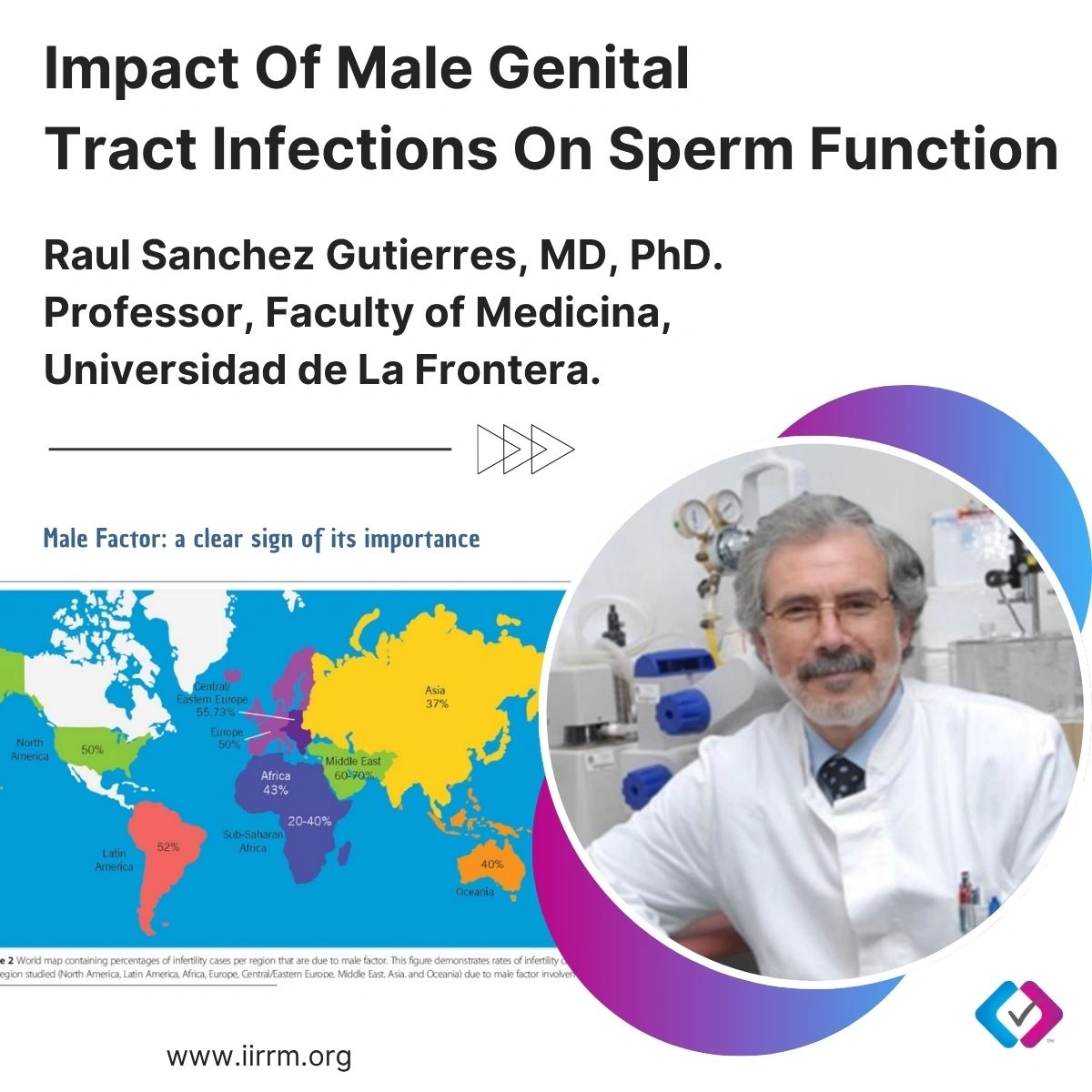
Impact Of Male Genital Tract Infections On Sperm Function
Raul Sanchez Gutierres, MD, PhD explores the impact of male genital tract infections on sperm function, with a focus on prevention, microbiological evaluation in non-fertile men, and emerging methods for detecting infection in seminal fluid.
Chronic Stress And Ovulatory Dysfunction
Dr. Pilar Vigil explores the relationship between stress, the menstrual cycle, and ovulatory dysfunction. Participants will learn how stress may affect regular ovulation, how ovulatory dysfunction can be identified, and how ovulation can be understood as an important sign of health in clinical practice.
Assessing And Managing Insulin Resistance In PMOS
Maria Wolfs, MD, MHSc, reviews the diagnosis and metabolic implications of PMOS (formerly PCOS), with a focus on insulin resistance. Participants will learn how to screen for insulin resistance, recognize its clinical consequences, and consider management options relevant to reproductive and metabolic health.
Methods To Induce Ovulation In Women With Premature Menopause
Presented by Dr. Jerome Check, this presentation discusses inducing ovulation and achieving successful pregnancies in women seemingly in total menopause, highlighting methods to enhance follicle sensitivity to FSH, with compounded ethinyl estradiol being the cost-effective approach. It emphasizes the importance of supplemental progesterone, particularly vaginally, to maximize pregnancy success post-ovulation induction.
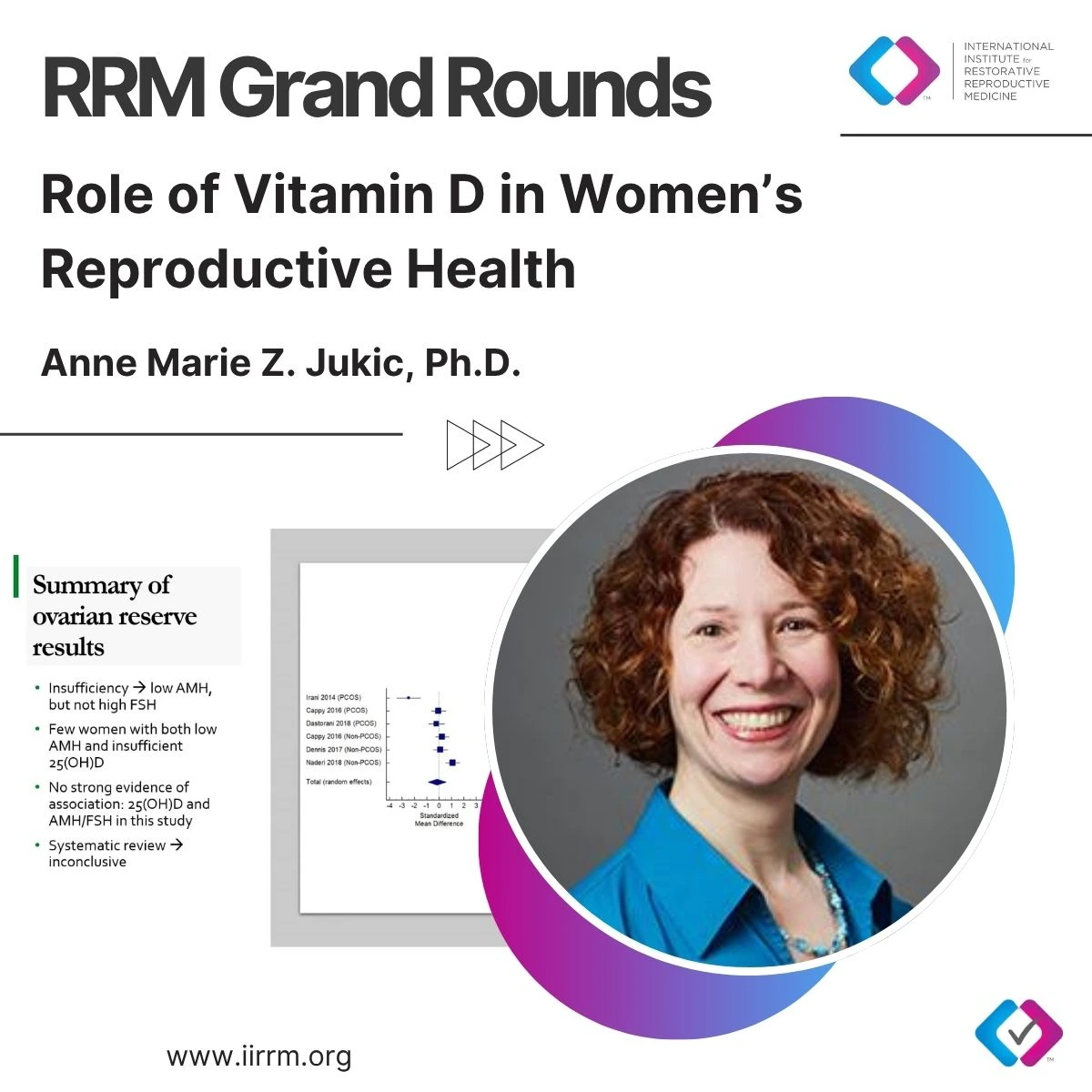
Role of Vitamin D in Women’s Reproductive Health sexual function in the preconception period
This Grand Rounds presentation by Anne Marie Z. Jukic, Ph.D., explores the role of vitamin D in women’s reproductive health, including vitamin D metabolism, menstrual cycle function, fertility, time to pregnancy, ovarian reserve, and inflammation. The session reviews evidence from animal and human studies and considers potential biological pathways linking vitamin D status with reproductive health outcomes.
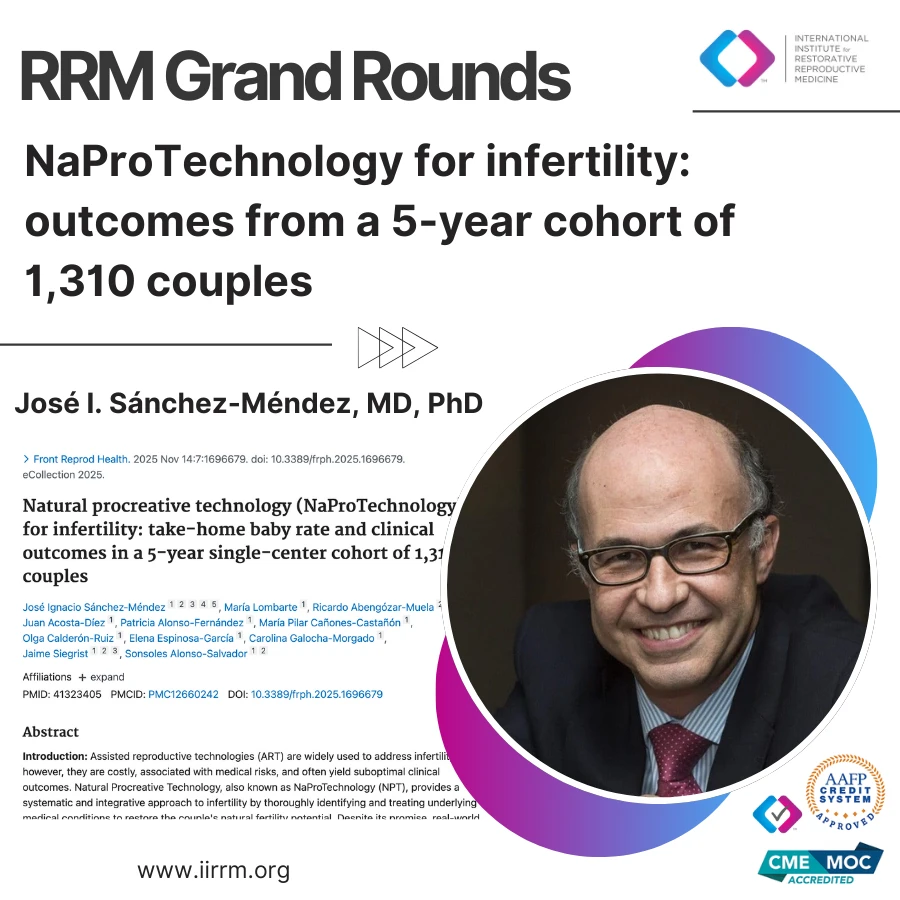
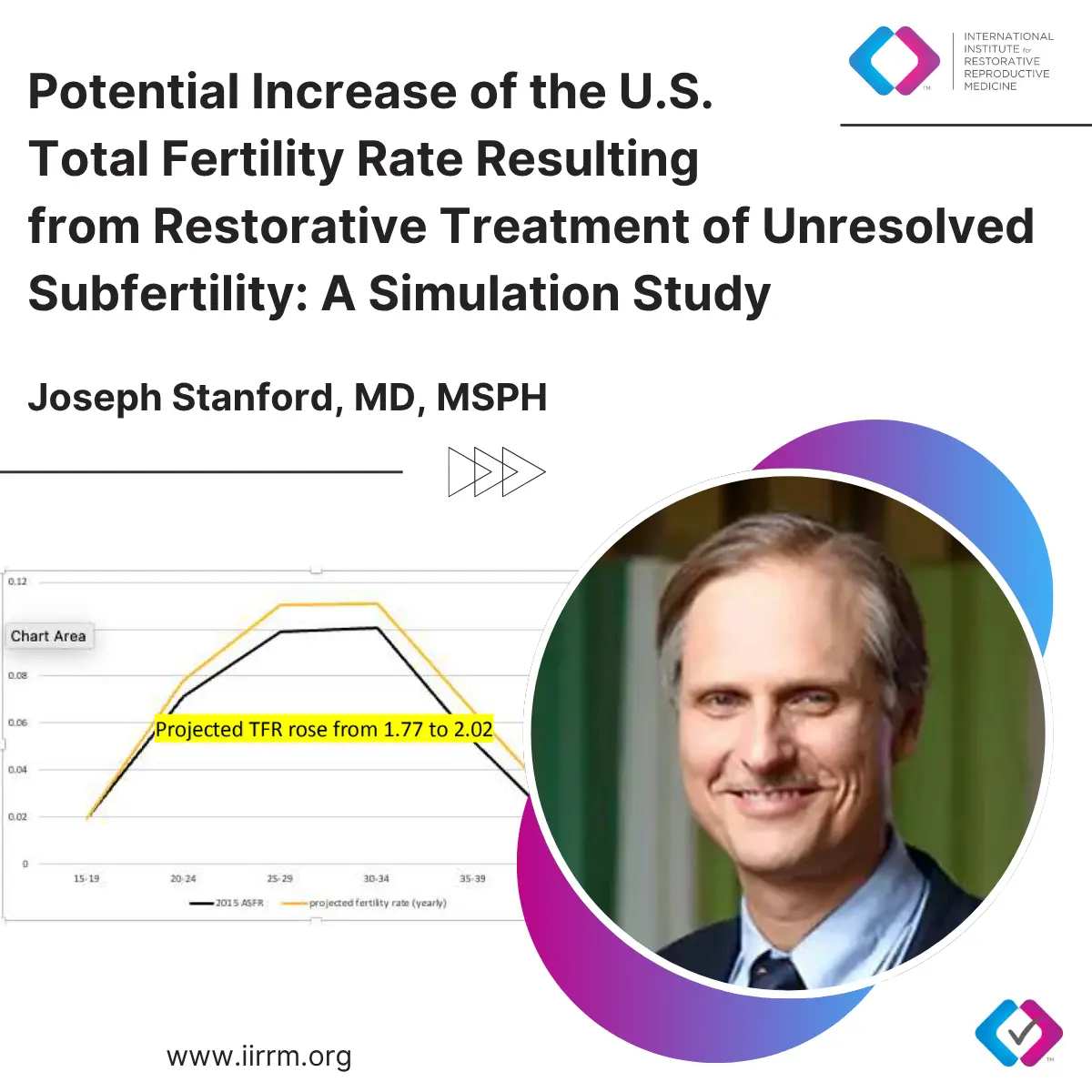
NaProTechnology for Infertility: take-home baby rate and clinical outcomes in a 5-year single-center cohort of 1,310 couples
Dr. José Ignacio Sánchez Méndez presents a five-year study evaluating the live birth rate in 1,310 couples treated with NPT with infertility treated at the Fertilitas medical centre in Spain.
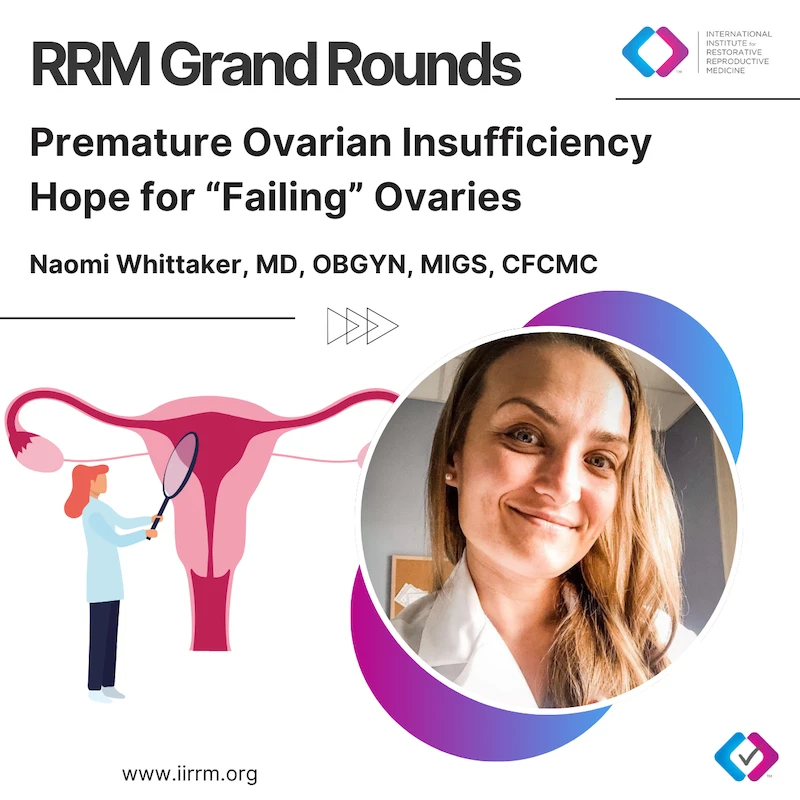
Premature Ovarian Insufficiency: Hope for “Failing” Ovaries
This lecture focusses on Premature Ovarian Insufficiency (POI), its diagnosis, health implications, and RRM treatment approaches available. POI is defined as impaired ovarian function before age 40 and affects 1 in 100 women under 40 and 1 in 1,000 women under 30. Dr. Whittaker covers diagnostic criteria, risk factors, health implications, and various treatment approaches including hormone therapy, DHEA supplementation, and emerging treatments like photobiomodulation and platelet-rich plasma (PRP).
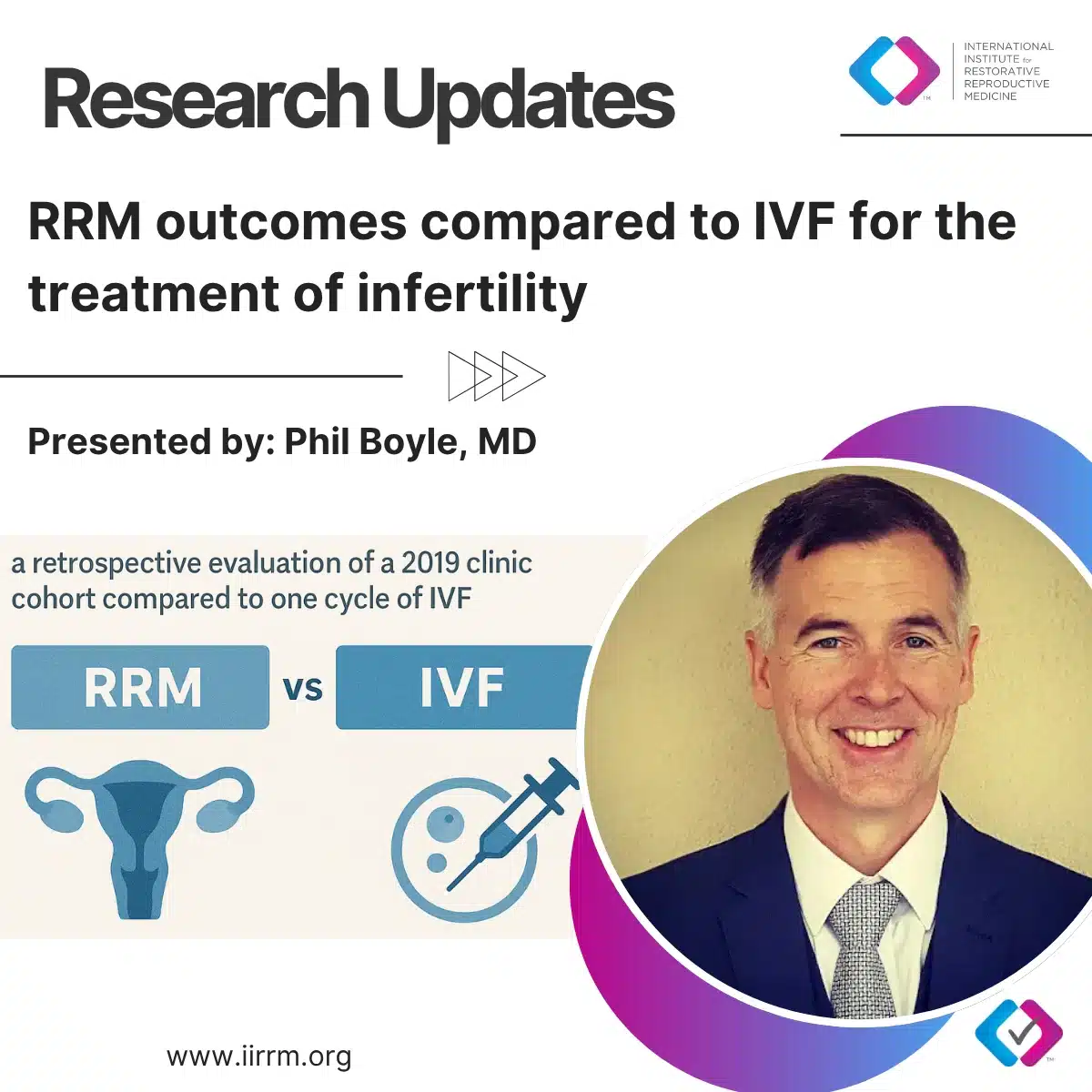
RRM outcomes compared to IVF for the treatment of infertility: a retrospective evaluation of a 2019 clinic cohort compared to one cycle of IVF
This practice survey evaluated 2019 data retrospectively from a clinic practicing restorative reproductive medicine (RRM) for live birth, multiple pregnancy, prematurity, and low birth weight and subsequently benchmarked this against IVF statistics published for 2019 from the UK and US.
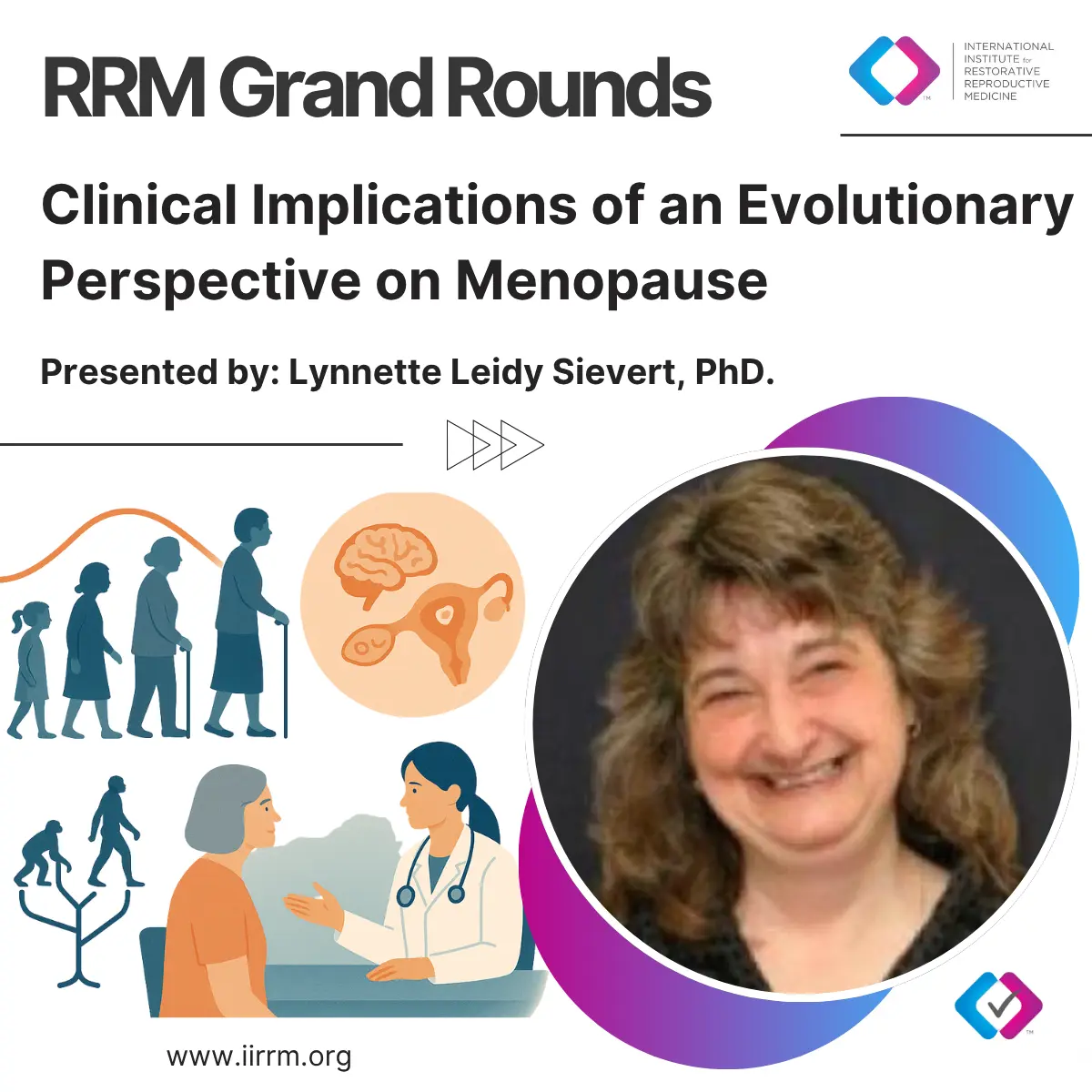
The clinical implications of an evolutionary perspective on menopause
Presented by Lynnette Sievert, PhD, this webinar explores the biology of menopause, highlighting that it is more than simply the end of fertility. Participants will examine variation and heritability in age at menopause and consider how an evolutionary perspective can inform clinical care and counselling.
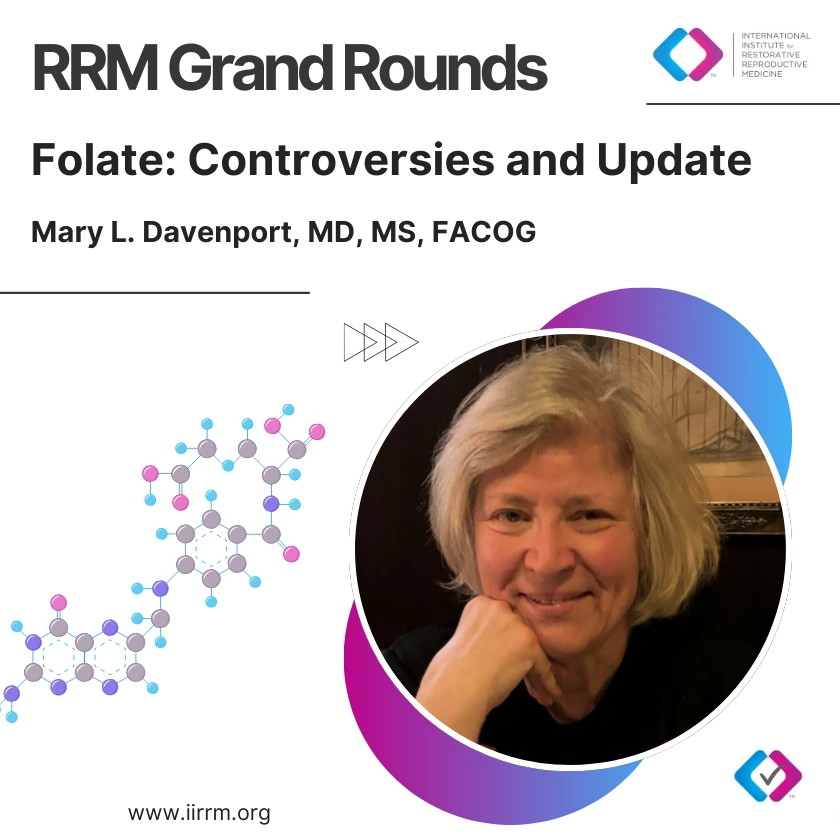
Folate: Controversies and Update
Dr. Mary Davenport presents on folate and folic acid. Learn about the role of MTHFR genetic variants, clinical supplementation guidelines, and the impact of folate on reproductive health and patient care.
Participation of general practitioners and therapeutic patient education in the care of infertile couples
This study from Bernot G, Lallemand L, Le Menager C, and Ecochard R. presents the work of 66 instructors and 15 doctors to help 551 couples conceive, 37% of whom conceived during the study, and reinforces the role of fertility instructors as part of the multi-disciplinary care team.
A Focused Practice in Restorative Reproductive Medicine
Dr. Nick Kongoasa presents a sustainable and replicable clinical model for Restorative Reproductive Medicine (RRM), highlighting the role of advanced practitioners in leading care, and innovative approaches to RRM education, research, and collaborative partnerships that support the advancement of RRM practices.
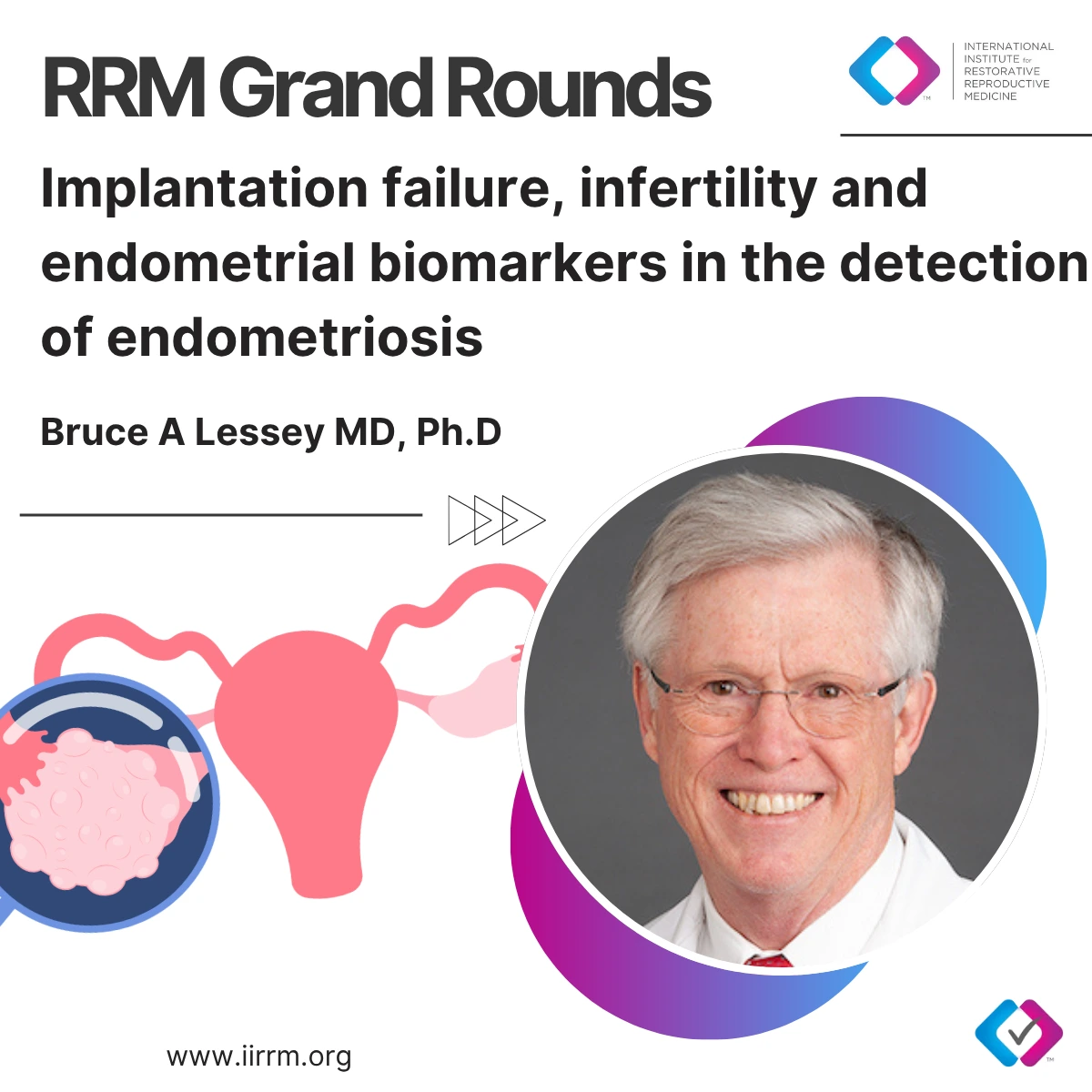
Implantation failure, infertility and endometrial biomarkers in the detection of endometriosis
Presented by Bruce A Lessey MD, PhD, this activity explores the importance of synchrony between the embryo, progesterone, and endometrium in achieving successful implantation and pregnancy. Participants will review biomarkers of endometrial receptivity, diagnostic considerations for endometriosis, and treatment approaches relevant to infertility and recurrent miscarriage.
Ovulation and Implantation: concert of hormones and cells
Dr. Christian Gnoth presents an in-depth exploration of the evaluation and application of luteinizing hormone (LH), human chorionic gonadotropin (hCG), and uterine natural killer (uNK) cells throughout the ovarian cycle. This talk will highlight the hormonal dynamics that influence fertility and pregnancy, as well as the role of hCG in modulating uNK cell populations in the uterus.
Research Updates: Surgical Management of Endometriosis
Dr. Patrick Yeung Jr. presents updates on surgical management of Endometriosis and results of their new paper, a prospective cohort study aimed to evaluate the effectiveness of optimal excision surgery for endometriosis in reducing repeat surgery rates compared to historical data from ablation procedures, with the cohort of patients showing a notably low repeat surgery rate of 2.5% (15 out of 620 patients) following optimal excision, contrasting with suggested historical rates of 40-60% for ablation (Bozdağ 2015). The team also looked at the relationship between hormonal suppression use before surgery and the stage of endometriosis, finding no significant correlation, suggesting that hormonal suppression may not prevent disease progression.
Factors Associated with Spontaneous Conception Leading to Live Birth in Infertility Patients
Dr. Nugen will review data from his retrospective cohort study looking at outcomes of endometriosis surgery for infertility, suggesting that excisional surgery with MIGS training was more successful (higher rate of live births) than standard surgery that included ablation. He also reviews other literature and bleeding at excisional sites, and adhesion formation. Learning Outcomes: Faculty Disclosure: None declared. Please log in below - or join IIRRM to access live and self-paced free CME as well as other member benefits. For support or questions please contact [email protected]. Username Password Remember Me Forgot Password
The Latency Phase of the Menstrual Cycle Deserves More Attention
Explore the intricate hormonal dynamics of the early menstrual cycle and their impact on the timing of the fertile window. Published in Human Reproduction Journal in October 2024, René Écochard, MD, PhD, presents the team's research, "Early menstrual cycle impacts of oestrogen and progesterone on the timing of the fertile window"
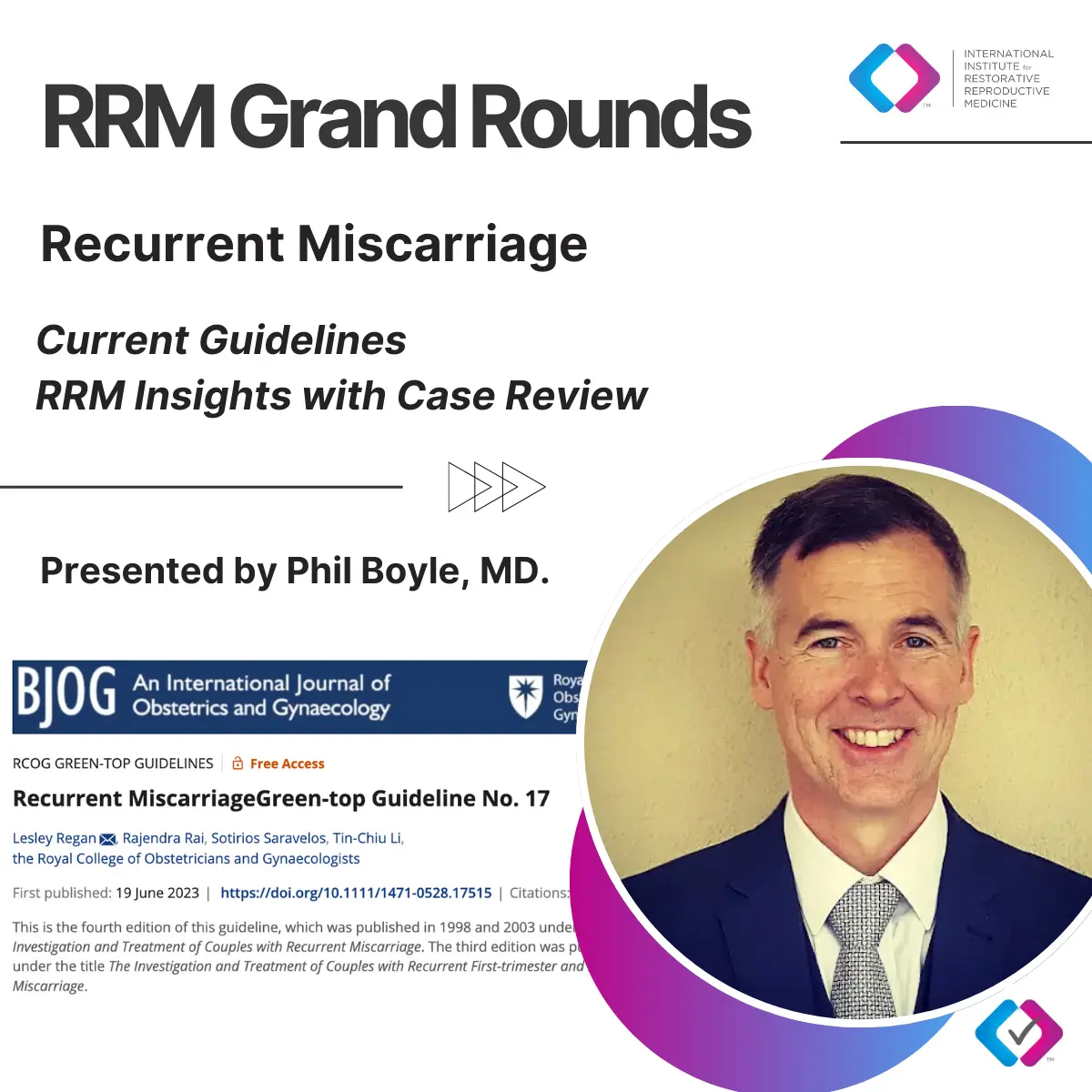
Recurrent Miscarriage and Restorative Reproductive Medicine: RCOG Guidelines, RRM Insights, and Case Analysis
Dr. Phil Boyle reviews the 2023 Royal College of Obstetricians and Gynaecologists guidelines for recurrent miscarriage and discusses how these guidelines compare with RRM approaches. An RRM-managed patient case report is reviewed. What guidelines would be changed or added in the development of RRM clinical practice guidelines compared with these or other practice guidelines for recurrent miscarriage?
Utilizing at-home fertility monitoring with RRM in a case of infertility
This session will introduce how home urine hormone metabolite testing may correlate with traditional serum testing, noting more research is needed. Dr. Kimberly Barrows reviews a case report and discusses who to integrate this technology as part of an RRM workup for infertility for application to clinical care. Additionally, discover resources to integrate at-home monitoring into your practice or support patients already using this platform.
RRM Journal Club
Journal Club is your chance to stay up to date in the latest RRM research and application to clinical practice. These sessions provide a critical appraisal of published research relevant to the field of restorative reproductive medicine. IIRRM runs separate monthly Journal Clubs Meetings in English, Spanish, Ukrainian. Recent recordings and articles are listed for members to review below.
Journal Club: Impact of Adenomyosis Location on Fertility and Pregnancy
27 April 2026
“The impact of adenomyosis localization in myometrium on fertility and pregnancy outcomes: a narrative systematic review of the literature” Georgios Kolovos, Theodoros Kalampokas, Ioannis Dedes, Nikolaos Vlahos, Michael Mueller. Front Reprod Health 2026 Mar 16, Presented in Spanish by Dra. María del Rosario Zavala Guzmán, Obstetrics and Gynecology Resident, Universidad de los Andes, Chile, with English dubbing and closed captions available.
Access Activity
Journal Club: Doxycycline vs levofloxacin combined with tinidazole for treating chronic endometritis: a randomized controlled trial
14 March 2026
Liu Y, Zhao Z, Jiang X, You X, Qu D. Doxycycline vs levofloxacin combined with tinidazole for treating chronic endometritis: a randomized controlled trial. Am J Obstet Gynecol. 2026. Presented in Spanish by Dr. Juan González de Canales, with English closed captions available.
Access Activity
Journal Club (in English): Optimizing intrauterine insemination: A systematic review and meta-analysis
2 February 2026
Chronopoulou E, Gaetano-Gil A, Shaikh S, et al. Optimizing intrauterine insemination: A systematic review and meta-analysis of the effectiveness and safety of clinical treatment add-ons. Acta Obstet Gynecol Scand. 2024;103(10):1919-1932. doi:10.1111/aogs.14858
Access Activity
Journal Club (in Spanish): First-line surgery vs first-line ART to manage infertility in women with deep endometriosis without bowel involvement: A multi-centric propensity-score matching comparison
20 January 2026
IIRRM Journal Club: First-line surgery vs first-line ART to manage infertility in women with deep endometriosis without bowel involvement: A multi-centric propensity-score matching comparison. C. Ferrier a et. al. European Journal of Obstetrics and Gynecology 280 (2023) 184–190 https://doi.org/10.1016/j.ejogrb.2022.11.013
Access Activity
Are You Looking for an RRM Clinician?
IIRRM’s referral coordinator will match you with a qualified RRM clinician, practitioner, or care team based on your location, preferences, and care needs.
Are you an RRM Clinician or allied healthcare provider?
See if you meet the requirements and apply to be registered as an RRM Clinician.
For teachers, coaches, and other allied healthcare providers, please ensure your IIRRM profile and training background are up to date to be included in our directory.